
Tournefeuille, France
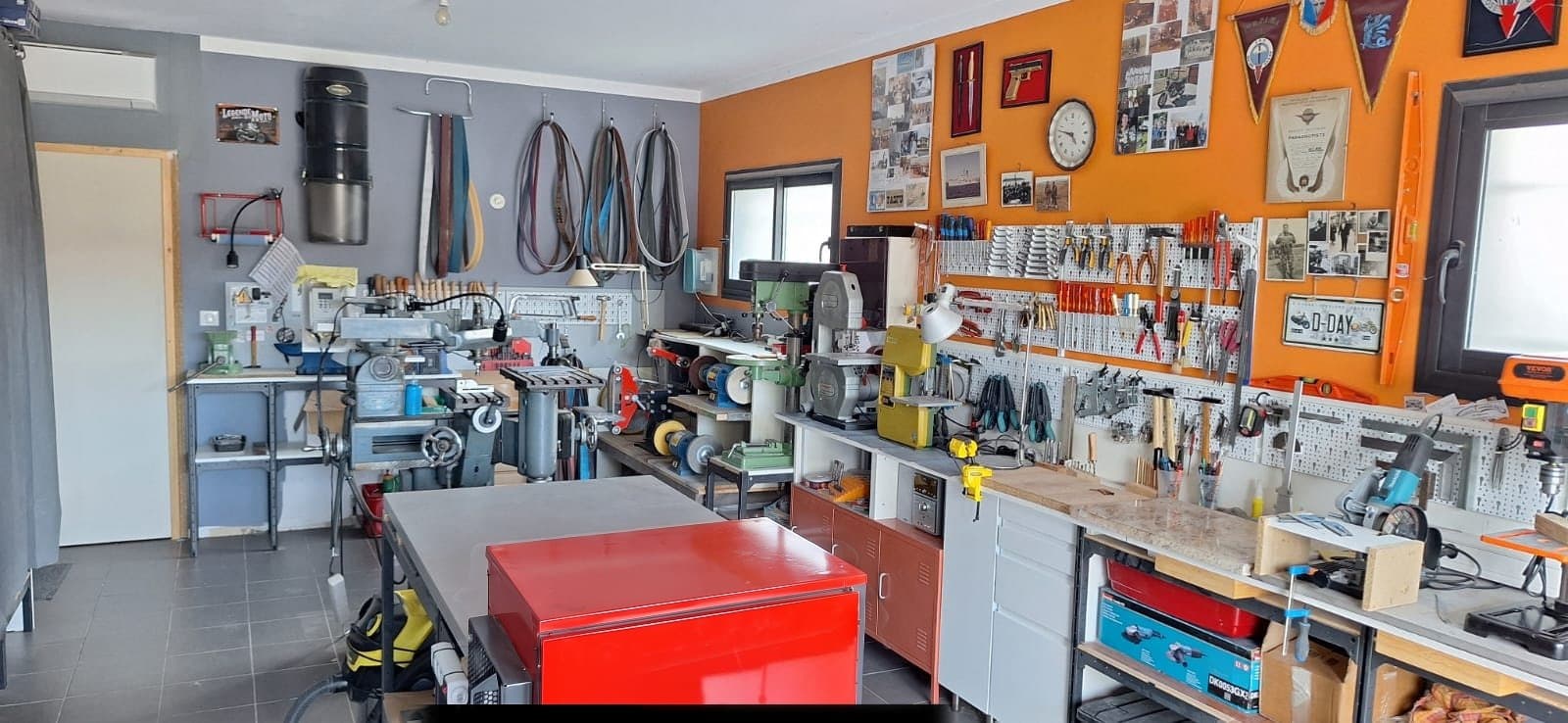
The workshop
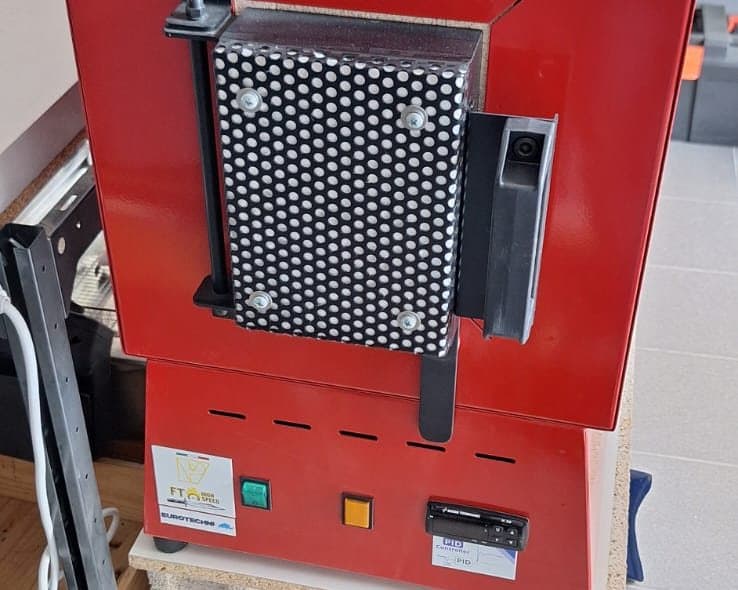
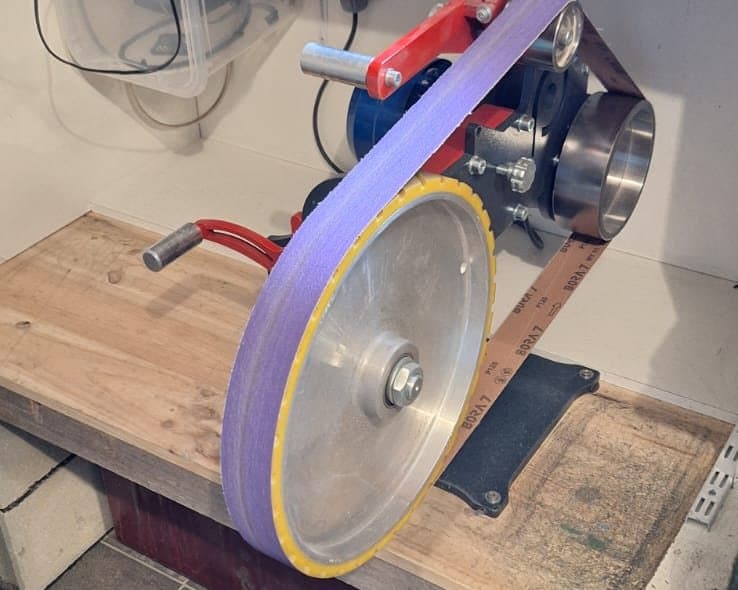
Based in Tournefeuille, the workshop is where the knives of L'Atelier de Kriss take shape.
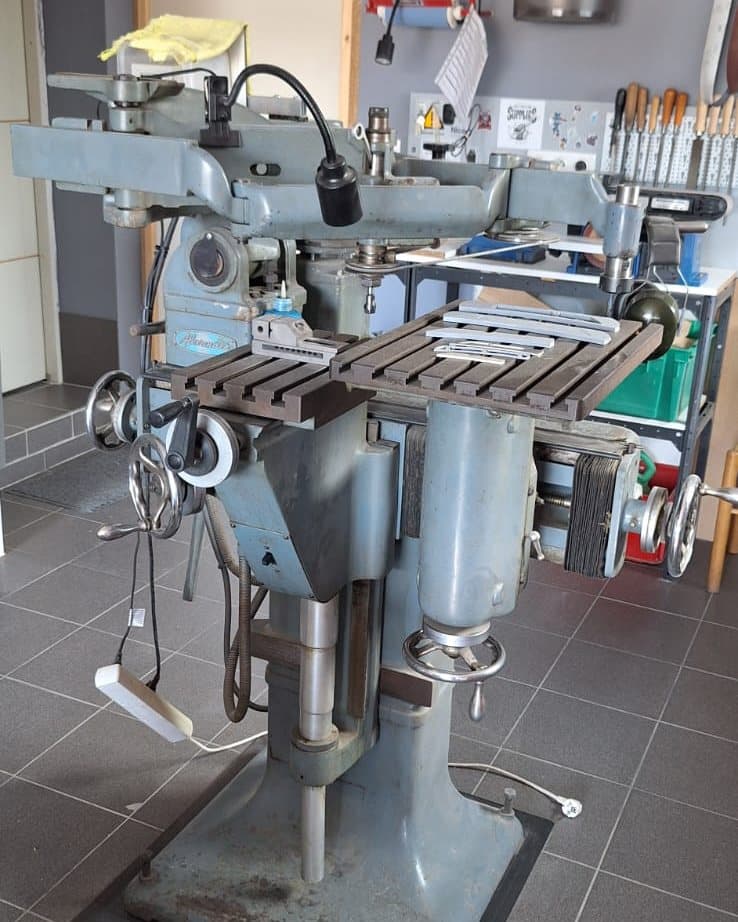
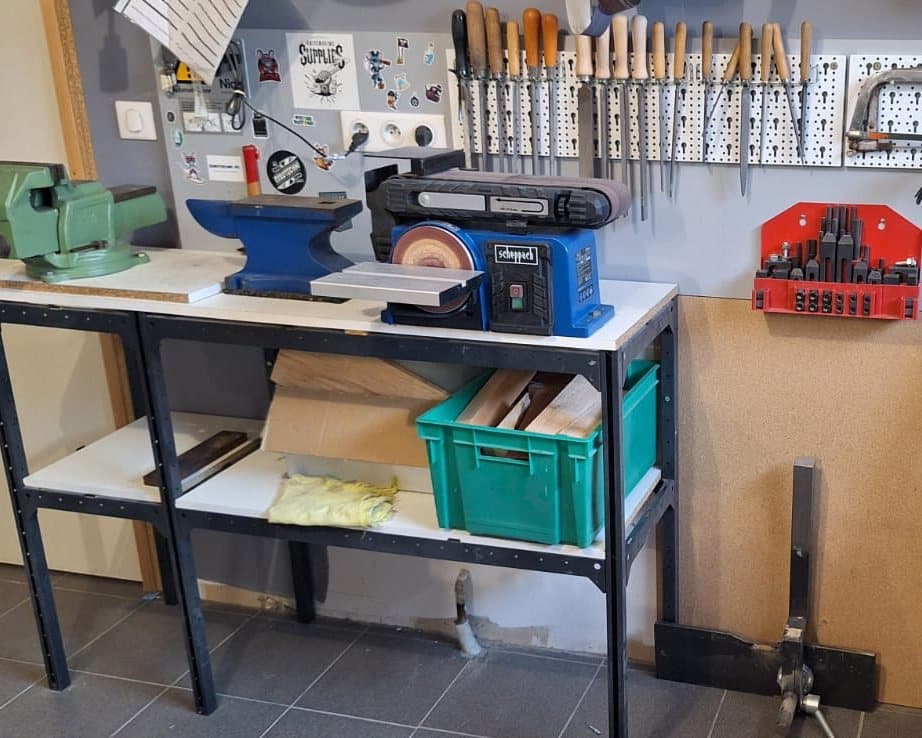
This is where assembly, fitting, finishing and the various customisations are carried out. A visit is also a chance to discover the world of knifemaking, the materials used, the different stages of making and the models shown on the site.
The workshop is open by appointment to discover the knives, choose a model or simply talk knifemaking and a possible project.
The workshop
The workshop
Christian Quesada
Behind L'Atelier de Kriss there is one craftsman, a technical background and a passion for knifemaking.
Set in Tournefeuille, on the western edge of Toulouse, the workshop is where the knives are designed, assembled and finished. From the first fitting to the final finish, the same care goes into every piece, whatever the model and the materials chosen.
Knifemaking came as a second career, prepared through several advanced courses at the CFA in Thiers. It also builds on many years spent in engineering design offices, where design, precision and finding technical solutions were at the heart of the job.
That experience now shapes the way every project is approached, from the design of a new model through to its making in the workshop.
Above all, the workshop is a place to meet and talk. By appointment, you can discover the knives, the materials and the different stages of knifemaking, or come and discuss a personal or professional project.
Customisation is part of that approach: choice of materials, engraving of a first name, initials, a motif or a logo can all be considered depending on the model and the project.
Tournefeuille (31170), Haute-Garonne, Occitanie
Special orders & corporate gifts
Commissions are welcome: a personal knife, a gift, a boxed table set, or a run of engraved corporate gifts. Get in touch to talk it through.